

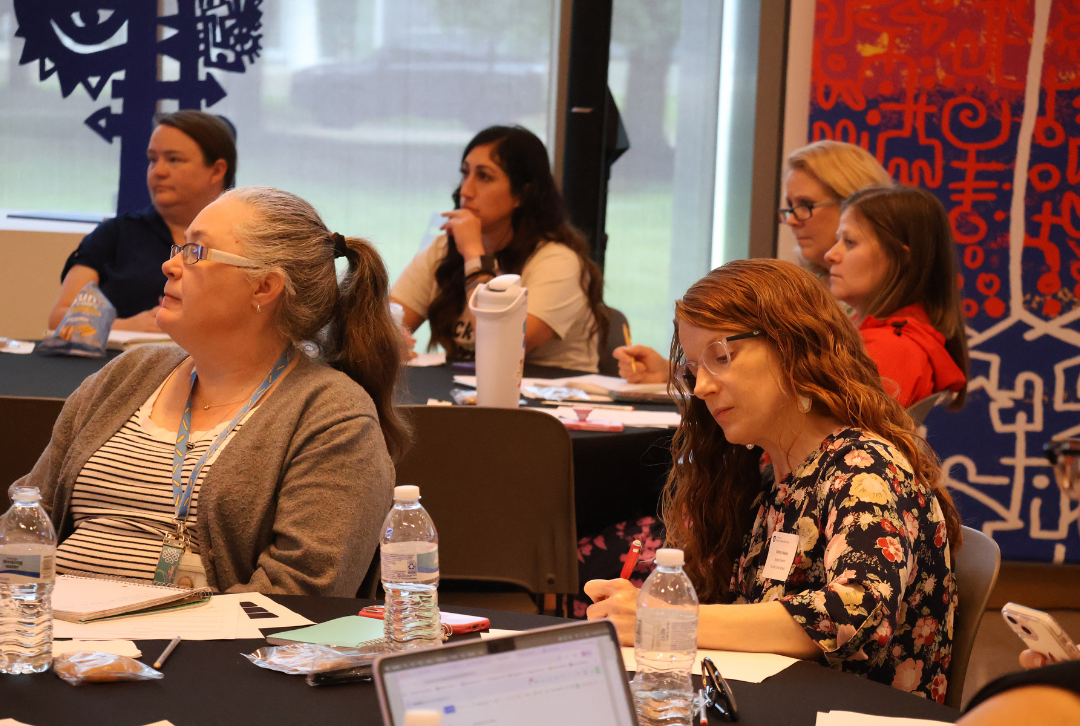
More than 70 early childhood educators from across the greater Houston area gathered April 23 at Rice University’s Anderson-Clarke Center for a timely professional development session focused on one of the field’s most pressing challenges: addressing difficult classroom behaviors through a trauma-informed lens.
Hosted by the Susanne M.Glasscock School of Continuing Studies’ School Literacy and Culture program, the workshop, “Navigating Rough Waters: Trauma-Informed Strategies for Addressing Challenging Behavior,” provided participants with research-based tools to better understand and support young learners affected by adversity.
The session centered on the growing body of research around Adverse Childhood Experiences (ACEs) and their impact on early development. Educators explored how trauma can manifest in classroom behavior and learned practical strategies to respond in ways that foster resilience rather than escalate challenges.
The keynote speaker, Janet Pozmantier — a licensed professional counselor, marriage and family therapist and registered play therapist — brought decades of experience in child development and behavioral health to the discussion. Pozmantier is the founding director of the Center for School Behavioral Health at Mental Health America of Greater Houston and has spent her career advancing prevention-focused, child-centered mental health initiatives.
“Understanding the root causes of behavior is essential,” said Jordan Khadam-Hir, director of School Literacy and Culture. “When we shift from asking a frustrated ‘What’s wrong with this child?’ to ‘What has this child experienced?’ we open the door to more effective and compassionate responses and more productive classroom experiences for both students and teachers.”
During the interactive session, participants were introduced to five trauma-informed strategies designed for immediate classroom application. These approaches emphasized creating predictable environments, building strong teacher-student relationships and using developmentally appropriate responses to help children regulate emotions and behavior.
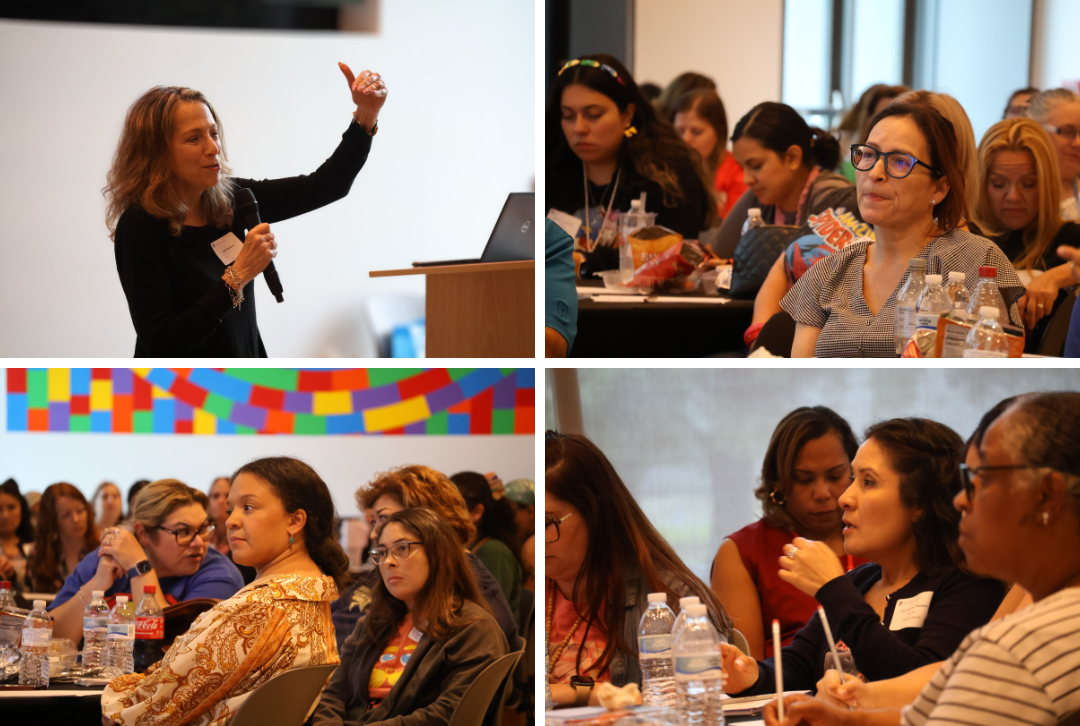
Pozmantier also highlighted the long-term impact educators can have when equipped with the right tools and mindset. Her work over the past two decades includes the development of nationally recognized programs such as Parents Under Construction, as well as contributions to publications like “The First Years” (DK Publishing). She has also played a key role in initiatives such as Children at Risk and serves as a national trainer for Mental Health First Aid and Youth Mental Health First Aid.
The workshop reflects the Glasscock School’s ongoing commitment to supporting educators with high-quality, research-informed professional learning opportunities through its Center for Education. By connecting academic research with practical classroom strategies, the School Literacy and Culture program aims to strengthen educator capacity and improve outcomes for young learners across the region.
For many attendees, the session offered both validation and actionable insight. As early childhood classrooms continue to reflect the broader social and emotional challenges facing communities, educators are increasingly seeking approaches that address not just behavior but the underlying experiences that shape it.
By the end of the session, participants left with a deeper understanding of trauma’s impact on child development and a renewed sense of purpose in their role as educators. Through initiatives like this, Rice University continues to serve as a hub for advancing educational practice and supporting those on the front lines of early learning.
To learn more about Rice’s Early Childhood and Elementary programs, visit: literacy.rice.edu.